AI and Risk Management in Global Supply Chains
Why Risk Management Matters More Than Ever
Global supply chains have always been complex, but in recent years this complexity has grown exponentially. According to a 2023 Deloitte survey, over 79% of supply chain leaders reported at least one major disruption within the past 24 months. These disruptions ranged from delayed shipments due to port congestions, to sudden raw material shortages caused by geopolitical tensions. The financial impact can be staggering—studies show that supply chain disruptions can cut a company’s profitability by 30–50% in a single year if not managed effectively.
This is why risk management has moved from being a “supportive function” to a strategic priority for manufacturers, consumer brands, and service providers alike.
How AI Transforms Risk Management
AI technologies provide tools that go far beyond manual tracking and traditional risk assessments. Key contributions include:
-
Predictive Analytics
-
By analyzing vast datasets (supplier performance, shipping times, weather forecasts, political developments), AI can predict potential disruptions before they occur.
-
Example: A U.S. electronics company used AI-driven demand forecasting to anticipate semiconductor shortages and shifted procurement strategies six months earlier than competitors.
-
-
Real-Time Monitoring
-
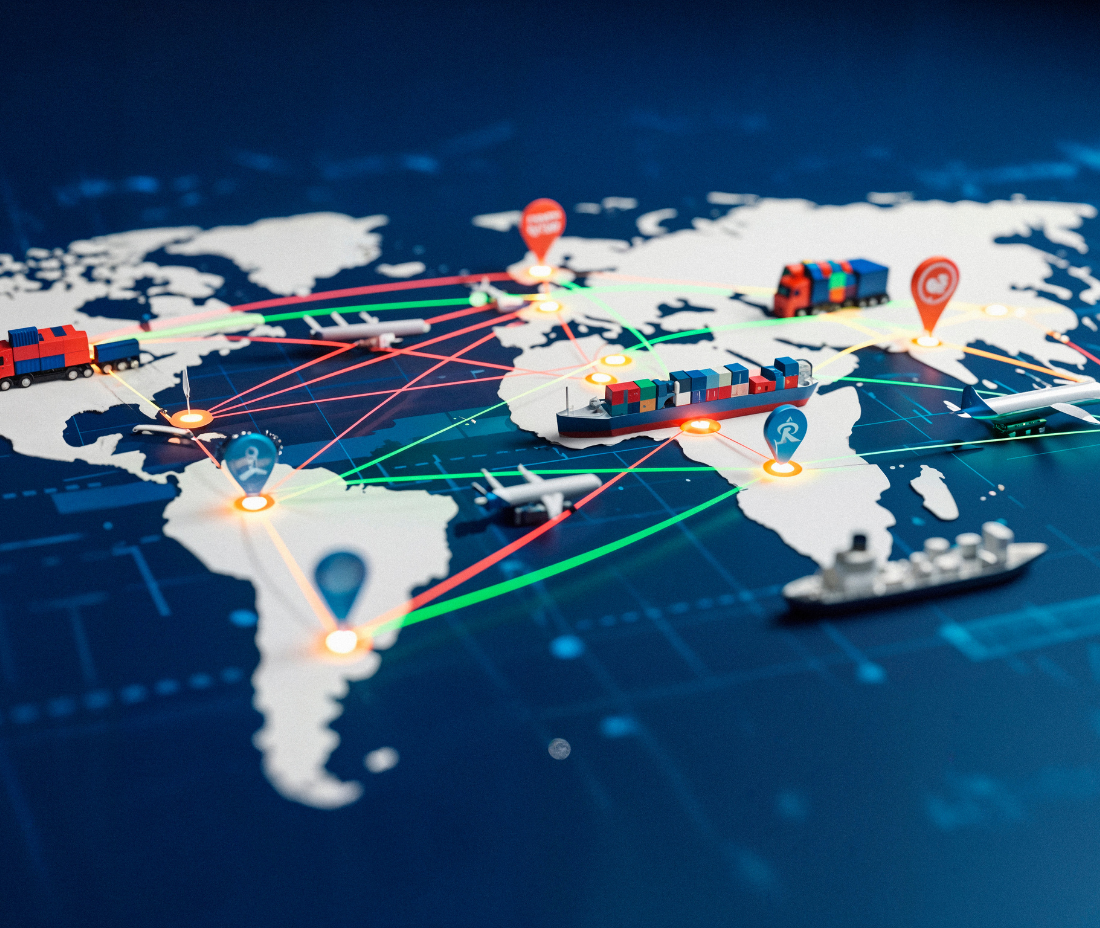
AI systems can monitor supplier networks, logistics routes, and market signals continuously.
-
This allows businesses to respond quickly—for instance, by rerouting shipments or switching suppliers.
-
-
Scenario Planning
-
AI can run simulations to test “what-if” situations, such as new tariffs, strikes, or extreme weather events.
-
This capability helps companies prepare contingency plans more effectively.
-
-
Enhanced Supplier Risk Assessment
-
Instead of relying solely on financial reports or certifications, AI tools evaluate suppliers based on delivery records, compliance history, ESG performance, and even media sentiment.
-
Market Trends: Why AI Adoption Is Accelerating
-
Geopolitical Uncertainty: The Russia-Ukraine war, U.S.-China trade tensions, and changing tariff structures are forcing companies to rethink supply sources.
-
Climate Change: Floods, heatwaves, and hurricanes are increasing in frequency, directly impacting logistics and production.
-
Consumer Expectations: Customers expect both fast delivery and sustainable practices, adding another layer of risk and responsibility.
According to McKinsey (2024), companies that implemented AI-driven risk management tools improved their supply chain visibility by 45% and reduced disruption recovery time by up to 25%.
Industry Examples
-
Medical Devices: Regulatory bottlenecks and strict hygiene requirements create high risks. AI helps track compliance updates and predict documentation gaps.
-
Automotive: Semiconductor shortages pushed many automakers to explore AI-based demand forecasting to optimize inventory and supplier selection.
-
Consumer Goods: Brands use AI-powered monitoring to adapt to fast-changing consumer demands and prevent out-of-stock situations.
Benefits of AI in Risk Management
-
Faster response times to disruptions
-
Better supplier diversification strategies
-
Lower financial impact from unforeseen events
-
Stronger alignment with ESG and compliance requirements
-
Competitive advantage through resilient supply chains
Challenges and Limitations
While promising, AI integration is not without obstacles:
-
Data Quality: AI systems are only as good as the data they process. Poor data quality limits effectiveness.
-
Implementation Costs: Smaller firms may find initial investment challenging.
-
Change Management: Shifting from traditional risk monitoring to AI-driven tools requires cultural change within organizations.
Looking Ahead
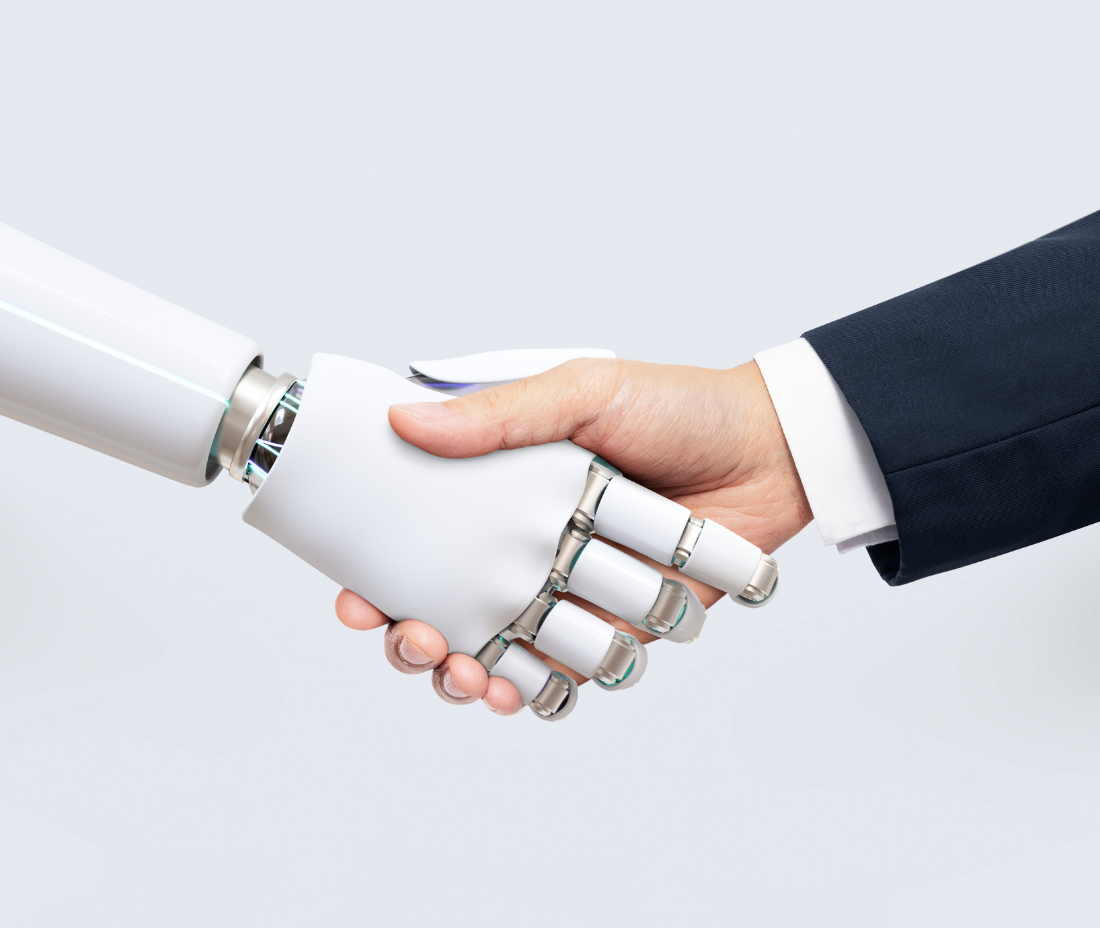
AI is not a magic solution, but it is becoming an essential enabler of smarter, more resilient supply chains. In the next 5–10 years, the combination of AI, IoT, and blockchain is expected to create a fully transparent and proactive risk management ecosystem.
For companies operating across borders, the question is no longer whether to adopt AI for risk management, but how fast and effectively it can be implemented.