
Stainless Steel Bottle Production in Europe to Avoid Extra Tariffs
Introduction
The U.S. market for insulated stainless steel bottles is booming. With growing consumer demand for beverages that stay colder longer, stainless steel has become the preferred material—outpacing plastic alternatives like PP and Tritan. In contrast, European consumers still favor plastic bottles, but American preferences and tariff pressures are reshaping global sourcing strategies.
Market Trends & Emerging Challenges
-
Over 95% of insulated stainless steel bottles sold in the U.S. are manufactured in China.
-
Due to recent trade policy changes, U.S. importers now face a 25% extra duty on Chinese steel bottles, significantly increasing landed costs—up to 40% more per unit.
-
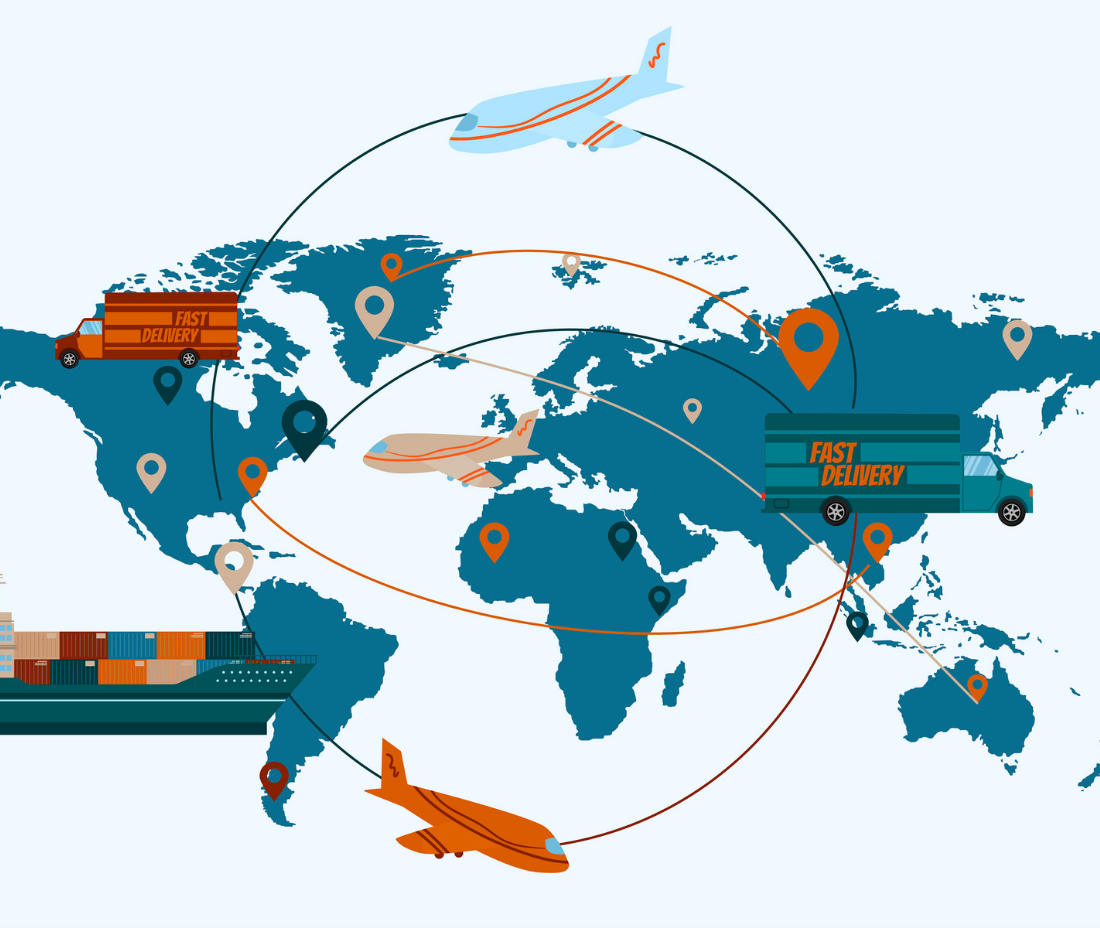
Typical lead times from China range from 4 to 5 months, limiting responsiveness and inventory control for brands.
-
In contrast, sourcing from Europe can reduce lead times to under 3 months, offering greater flexibility in launching seasonal or promotional SKUs.
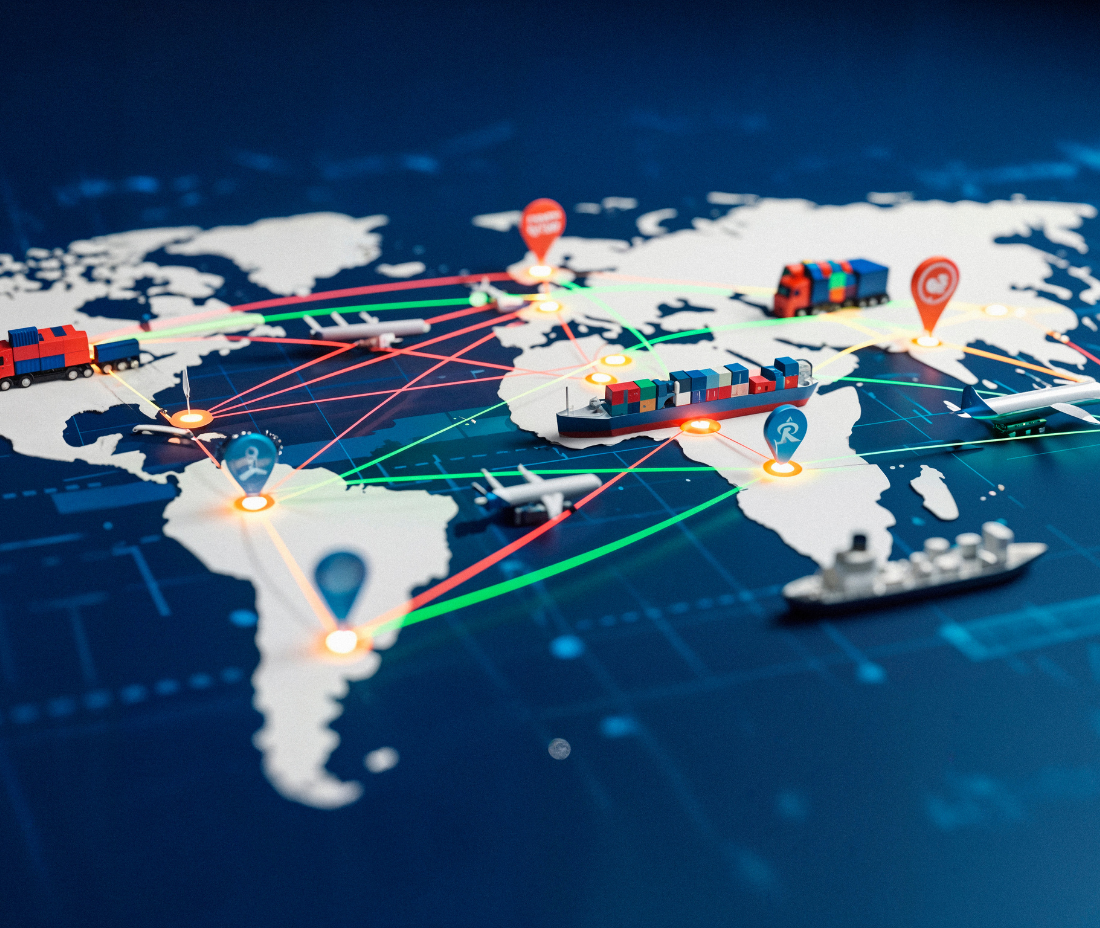
These dynamics are pushing U.S. brands to rethink their supply chains—to protect margins, improve responsiveness, and align with consumer expectations for quality and ethical manufacturing.
Why Insulated Steel Bottles Are Preferred in the U.S.
-
Superior insulation with double- or triple-walled stainless steel delivers performance unmatched by plastic.
-
Safety and durability: No BPA or chemical leaching, better long-term hygiene, and product longevity.
-
Eco-conscious branding: Reusable bottles align with sustainability trends and reduce single-use plastic waste.
-
In the U.S., brands often promote "Made with premium materials" as a quality differentiator—product origin matters.
Challenges for U.S. Brands Sourcing Steel Bottles
⇒ High Tariffs
The 25% U.S. import duty on stainless steel bottles from China directly erodes margins, forcing brands to raise prices or accept reduced profitability.
⇒ Long Lead Times
A 4–5 month delivery horizon makes it difficult to react to demand changes or manage inventory levels efficiently.
⇒ Limited European Options
There are only a handful of certified stainless steel bottle manufacturers in Europe, many of which lack capacity for reliable mass production or scale.
Benefits of European Steel Bottle Production
| Benefit | Description |
|---|---|
| Lower Duties | Avoids the 25% U.S. tariff on Chinese imports |
| Faster Delivery | Lead times < 2 months enable quicker SKU rollouts |
| Made-in-Europe Access | Supports EU origin labeling and appeals to customers valuing local sourcing |
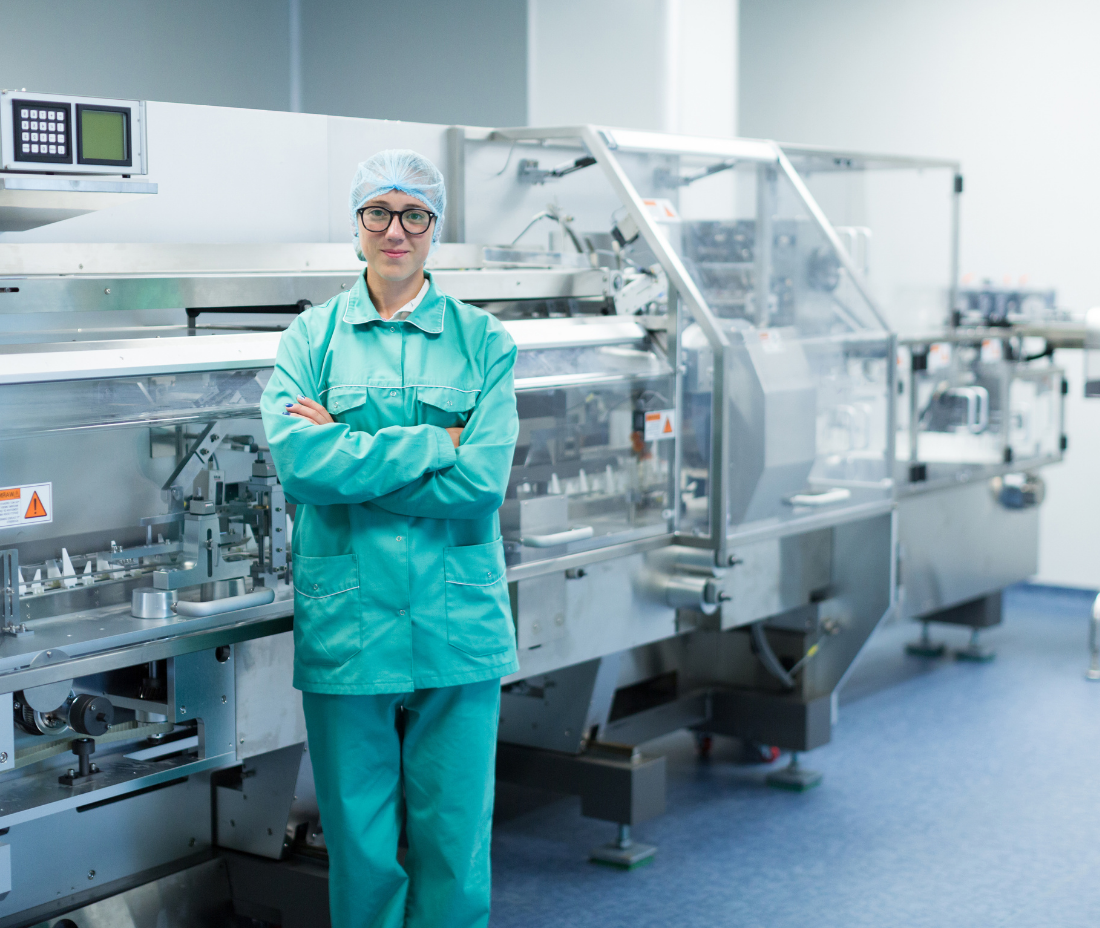
| Better Oversight | Easier factory audits, quality visits, and supply chain transparency |
How Atlas Sourcing Helps U.S. Brands
At Atlas Sourcing & Engineering, we help brands navigate these challenges through:
-
✅ Supplier identification and capacity assessment with certified steel bottle producers in Europe
-
✅ Coordination of pilot runs and small‑series production for faster validation
-
✅ Seamless management of tooling, regulatory documentation, and quality control
-
✅ Ongoing support in scaling from small series to full production
-
✅ Strategic guidance to position products for U.S. and EU markets without tariff exposure
Conclusion
The U.S. demand for insulated stainless steel bottles is skyrocketing—but the traditional reliance on Chinese manufacturing has become costly and inflexible. Sourcing from Europe offers a compelling path to maintain margins, speed up time-to-market, and align with consumer expectations for premium, localized products.
Ready to explore European stainless steel bottle production for your brand?
Contact Atlas Sourcing & Engineering to build your tariff‑optimized, agile supply chain.