
Design for Manufacturing (DFM): Why You Should Think About Production on Day 1
Summary
Many hardware startups focus heavily on functionality and prototyping but overlook manufacturability until late in the process. Design for Manufacturing (DFM) integrates production constraints early in product development—reducing costs, speeding time to market, and avoiding painful redesigns later.
Introduction
DFM isn't just about saving money. It's about creating a product that can scale smoothly from concept to production. Early-stage decisions—like choosing materials, setting tolerances, and planning assembly—can make or break your product's success when it hits the factory floor.
Why DFM Matters Early
1. Reduces Costly Redesigns
Prototypes often work beautifully in controlled conditions, but once moved to production, design flaws emerge. DFM ensures that parts, tolerances, and processes align with real-world production capabilities from day one.
2. Accelerates Time to Market
By solving manufacturability issues early, you reduce iteration cycles and delays. This is especially critical for hardware products under investor pressure or seasonal market opportunities.
3. Enables Efficient Scaling
Good DFM enables a smooth ramp-up from pilot batches to full-scale production—without needing major tooling or design changes. This consistency can be the difference between meeting demand or losing market share.
Key DFM Principles to Apply Now
- Material Selection: Choose materials that are not only functional but also moldable, machinable, and cost-effective at scale.
- Component Standardization: Use common parts and off-the-shelf components wherever possible to save cost and reduce supply chain risk.
- Tolerance Planning: Avoid tight tolerances unless absolutely necessary—they increase costs and complexity.
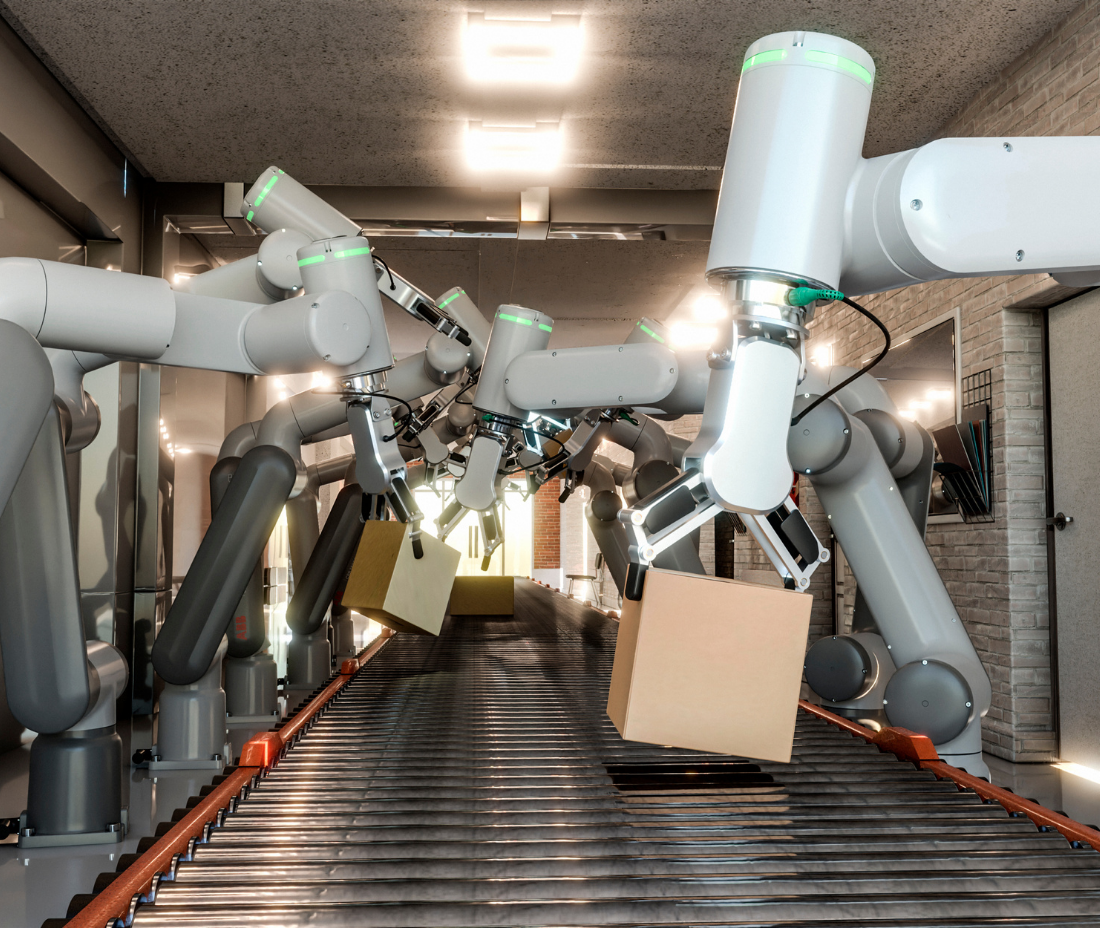
- Assembly Design: Minimize the number of steps, tools, and orientations required for assembly. Design for automation where possible.
DFM vs. Prototype Thinking
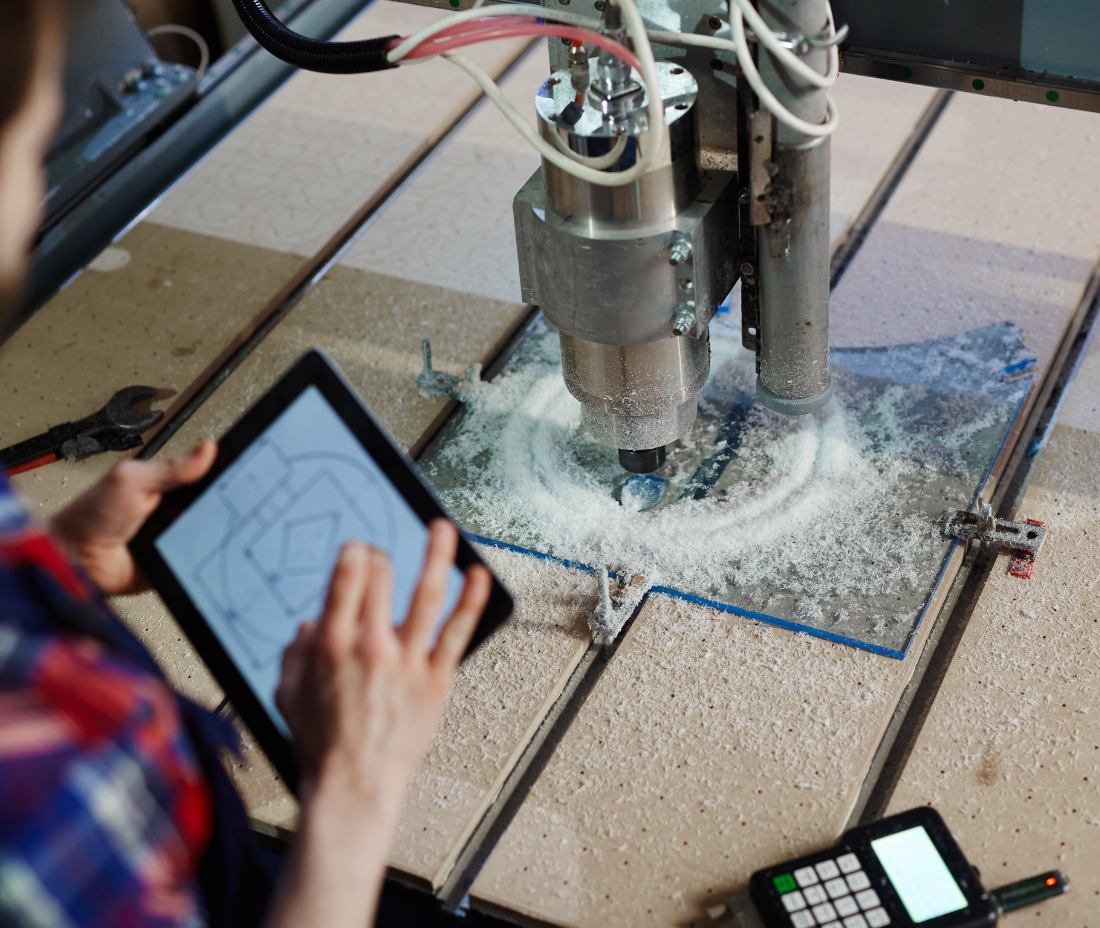
Prototyping is about testing ideas. DFM is about making those ideas real, scalable, and reliable. While a prototype may be handmade or 3D-printed, DFM-ready designs must consider mold flow, tooling wear, material shrinkage, and cost per part.
How Atlas Sourcing Supports Hardware Development
At Atlas Sourcing, we work closely with startups and SMEs to align product design with manufacturing from the very beginning. Our team supports:
- Material and manufacturing method selection
- Tooling development and feasibility checks
- Rapid prototyping and small batch production
- Design iterations based on production data
Whether you're launching a new product or improving an existing one, we help you avoid bottlenecks and get to market faster—with fewer surprises.
Learn more about our hardware development and prototyping services: https://www.atlassourcing.de/hardware-development