

AI in Supplier Scouting & Quality Control
Why Supplier Scouting and Quality Control Matter
In global trade, supplier selection accounts for up to 60% of supply chain success (PwC, 2023). Choosing the wrong partner can result in delays, compliance failures, or costly recalls. Similarly, poor quality control not only impacts production timelines but also damages brand reputation and consumer trust.
For industries such as aerospace, medical devices, and consumer electronics, even a small failure can translate into millions of euros in losses. This is why more companies are turning to AI to make supplier scouting and quality management data-driven rather than intuition-driven.
AI in Supplier Scouting
-
Big Data-Driven Search
-
AI systems can analyze millions of supplier profiles, certifications, and financial records across the globe within seconds.
-
Instead of relying on limited trade fairs or local contacts, businesses gain access to a wider and more transparent supplier pool.
-
-
Intelligent Supplier Qualification
-
AI evaluates suppliers not just by cost, but also by performance history, ESG ratings, delivery speed, and even news sentiment analysis.
-
Example: If a supplier has frequent delays reported in logistics data, AI flags this early, reducing the risk of poor performance.
-
-
Predictive Fit Assessment
-
AI tools simulate whether a supplier can scale up production, handle material changes, or meet strict industry requirements before a contract is signed.
-
AI in Quality Control
-
Automated Inspection Systems
-
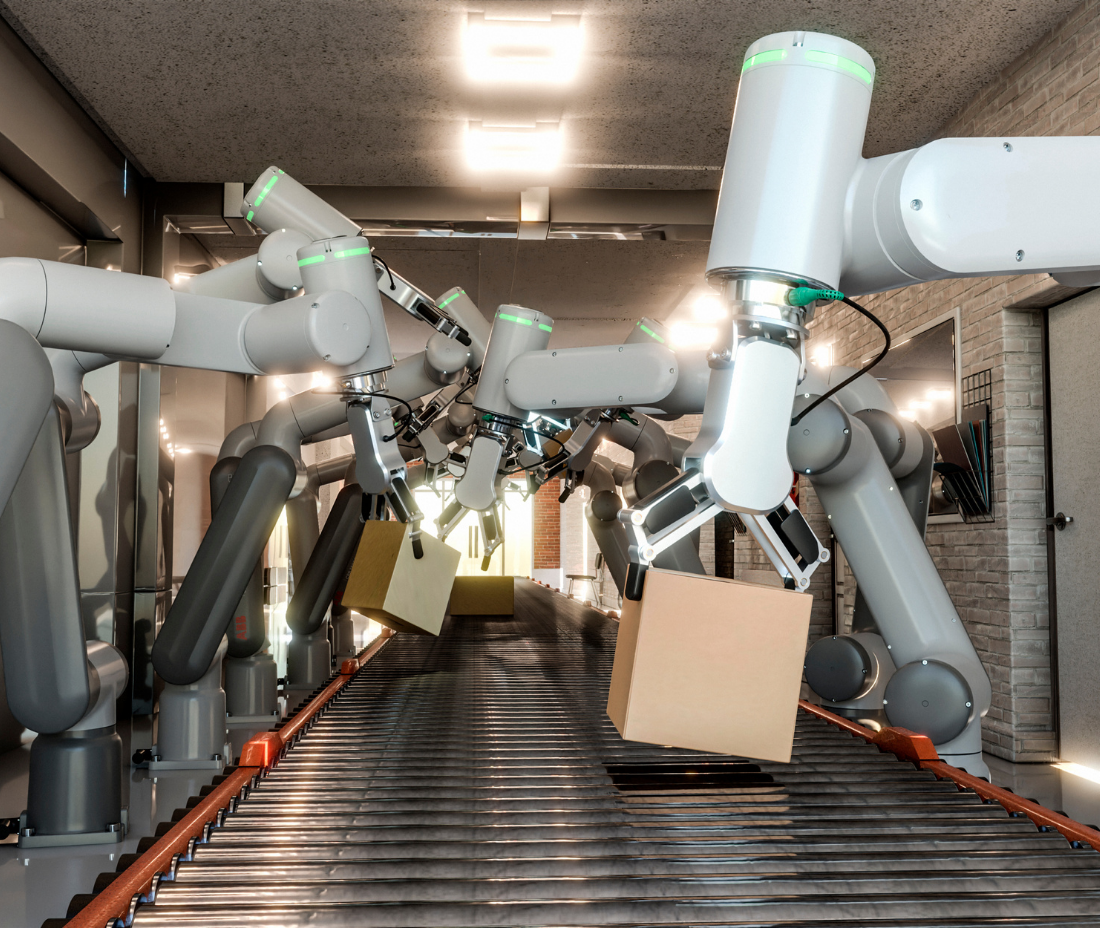
AI-powered vision systems can detect defects in plastics, metals, or electronic components at a much higher precision than human inspectors.
-
These systems also operate continuously without fatigue, making them suitable for high-volume industries.
-
-
Predictive Maintenance and Process Monitoring
-
AI algorithms detect irregularities in production machinery before breakdowns occur.
-
This reduces downtime and ensures consistent output quality.
-
-
Documentation & Compliance Checks
-
Especially in industries like medical devices, AI helps validate whether all required certifications, hygiene standards, and traceability documents are in place.
-
Market Trends Driving AI Adoption
-
Labor Shortages in Quality Control: Skilled inspectors are in short supply, pushing companies to adopt AI-based automated inspection.
-
Globalization of Supplier Networks: With suppliers spread across different continents, AI enables faster screening and monitoring at scale.
-
Stricter Regulations: From EU’s Green Deal to FDA medical device rules, compliance has become more complex—AI helps companies keep up.
According to Gartner (2024), companies using AI in supplier scouting reduced their supplier identification time by up to 40%, while those integrating AI into quality control achieved a 30% drop in defect rates.
Industry Applications
-
Consumer Goods: Brands use AI to quickly identify new packaging suppliers and ensure consistent labeling accuracy.
-
Automotive: AI-based quality control ensures defect-free components, critical for safety and reliability.
-
Medical Devices: AI helps meet strict hygienic production and documentation requirements by monitoring compliance continuously.
Benefits of AI in Supplier Scouting & Quality Control
-
Faster supplier identification and onboarding
-
Lower defect rates and higher customer satisfaction
-
Better compliance with industry regulations
-
Improved transparency and traceability across the supply chain
-
Reduced costs from rework, recalls, or failed partnerships
Challenges and Considerations
-
Integration Costs: Not all companies can immediately afford AI-powered systems.
-
Data Privacy: Supplier and production data must be protected under strict regulations.
-
Human Oversight Still Needed: AI enhances but does not fully replace human judgment, especially in complex supplier negotiations.
Looking Ahead
As global supply chains become more fragmented and consumer expectations rise, AI will play an increasingly central role in supplier scouting and quality control. In the near future, companies will combine AI with IoT sensors, blockchain traceability, and cloud platforms to achieve real-time, end-to-end visibility and quality assurance.
For businesses looking to stay competitive, adopting AI in these areas is no longer optional—it’s a strategic investment in resilience and long-term success.