
Not Made in China, But Owned by China: The Hidden Reality of Global Manufacturing
Shifting Production Away from China
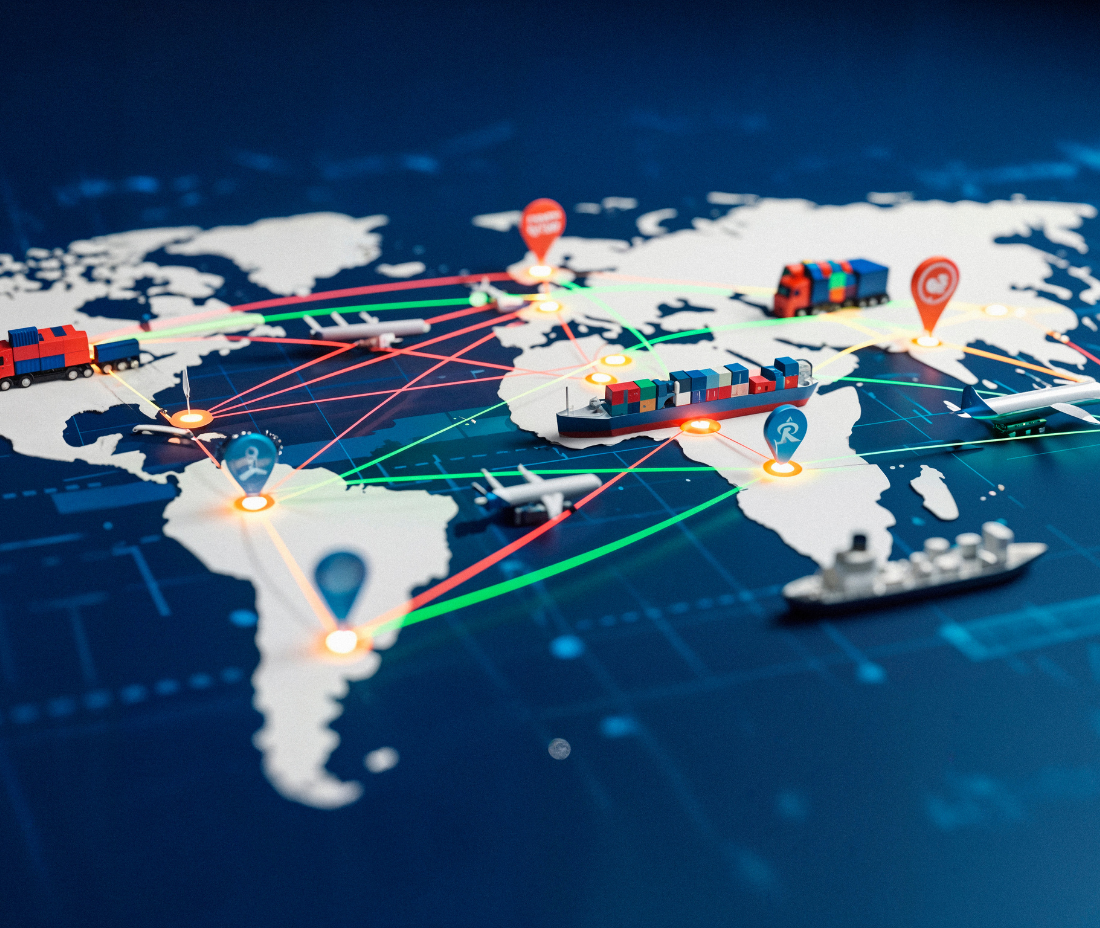
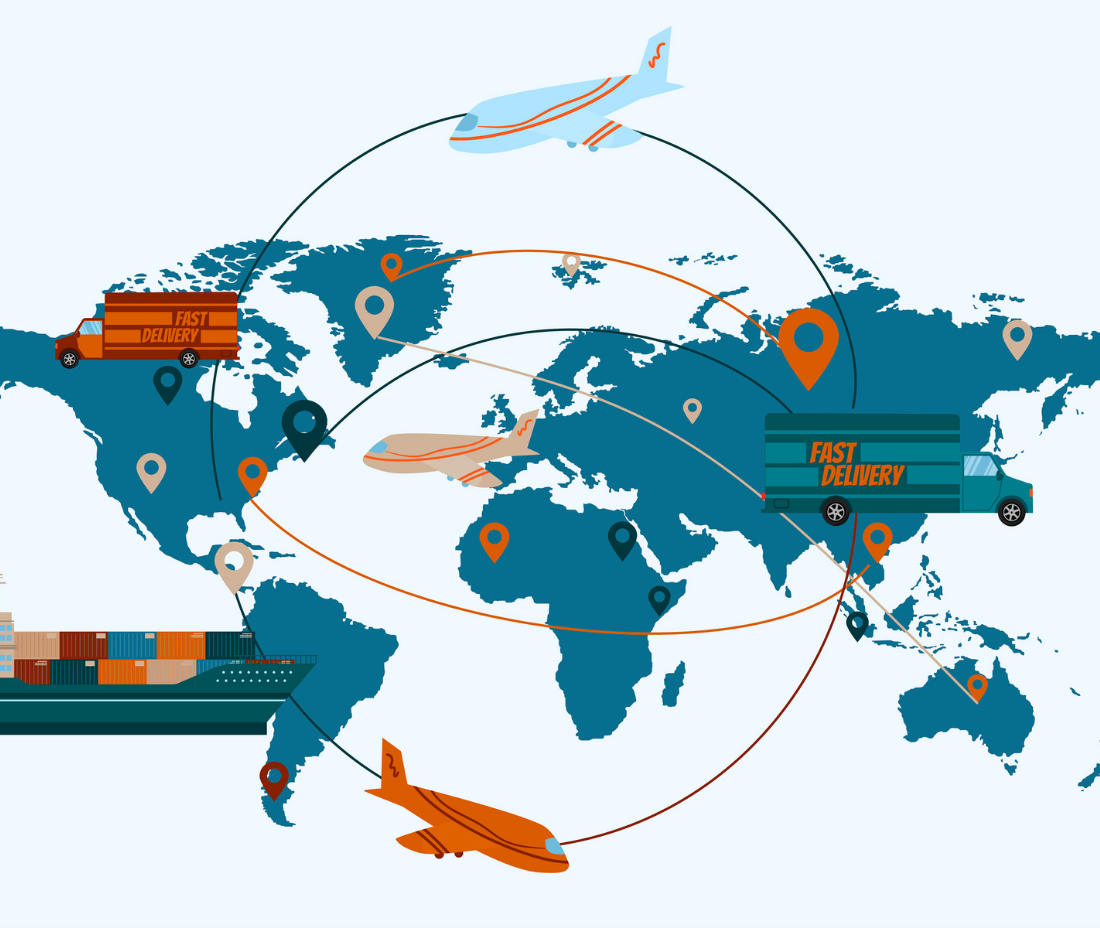
The U.S.-China trade war, combined with tariffs of up to 25% on Chinese imports, pushed global brands to seek alternatives. Countries such as Vietnam, India, Eastern Europe, and Mexico have become popular sourcing destinations, promising lower tariffs, shorter lead times, and competitive costs.
At face value, this shift looks like diversification. But in practice, the picture is more complex.
The Rise of Chinese-Owned Factories Abroad
Chinese investors have been quick to adapt. Instead of losing business, many have moved capital and operations abroad.
-
In Vietnam, Cambodia, and Malaysia, a significant share of “local” factories are Chinese-owned or co-financed.
-
In Eastern Europe, Chinese companies are investing heavily in automotive parts, metal forming, and electronics.
So while products may be stamped “Made in Vietnam”, the supply chain control, financing, and technology remain tied to China.
Why Ownership Matters
-
Tariff Evasion Risks
-
Regulators in the U.S. and EU are increasingly vigilant about transshipment risks—goods produced with substantial Chinese input but routed through another country.
-
Companies caught in this practice risk fines, shipment delays, and reputational damage.
-
-
Geopolitical Exposure
-
Even outside China, Chinese-owned suppliers may still be subject to sanctions, export controls, or political disputes.
-
This creates uncertainty in long-term contracts and critical projects, especially in defense, aerospace, and medical devices.
-
-
Transparency & Consumer Trust
-
Today’s buyers demand more than a country-of-origin label. They want to know who controls the factory, not just where it stands.
-
Ownership visibility is becoming a competitive differentiator.
-
Market Trends & Data
-
According to UNCTAD (2024), more than 30% of foreign direct investment (FDI) into Vietnam’s manufacturing sector came from Chinese firms in the last five years.
-
In Eastern Europe, Chinese investment in manufacturing doubled since 2019, particularly in CNC machining, electronics, and metal forming.
-
U.S. Customs and Border Protection has already flagged increased inspections of Southeast Asian imports suspected of Chinese transshipment.
How Companies Should Respond
-
Look Beyond the Label
-
A “Made in X” tag doesn’t guarantee independence from China. Firms must conduct ownership and financing due diligence.
-
-
Map Supplier Ownership Structures
-
Visibility into ultimate beneficial ownership (UBO) is essential for risk management and compliance.
-
-
Diversify into Truly Independent Regions
-
Turkey, Eastern Europe, and North Africa provide sourcing options with non-Chinese ownership structures, reducing long-term risk.
-
-
Leverage Nearshoring Benefits
-
Beyond avoiding tariffs, nearshoring offers shorter lead times, better quality control, and cultural alignment with U.S. and EU markets.
-
Conclusion
The future of sourcing isn’t only about where goods are made but also who controls the supply chain. Companies that fail to recognize the “Not Made in China, but Owned by China” paradox risk being blindsided by tariffs, sanctions, and consumer distrust.
True resilience comes from geographic and ownership diversification. By partnering with independent suppliers in regions like Turkey and Eastern Europe, businesses can reduce exposure and build supply chains that are both competitive and future-proof.
Atlas Sourcing & Engineering helps companies identify reliable, non-Chinese-owned suppliers in Europe and Turkey—ensuring lower risk, shorter lead times, and greater resilience.