

Summary
Agile manufacturing enables consumer goods companies to significantly reduce time-to-market while remaining flexible and cost-effective. This article explores how manufacturers can integrate agile principles into their operations to respond quickly to changing consumer demands and stay competitive.
Introduction
In the fast-paced world of consumer goods, speed is more than a competitive advantage—it’s a necessity. Companies that can adapt quickly to market trends and customer feedback are the ones that thrive. Agile manufacturing has emerged as a powerful solution, allowing businesses to shorten product development cycles, increase responsiveness, and lower operational risks.
Why Speed Matters in Consumer Goods
Changing consumer behavior, rising customization demands, and growing competition are forcing brands to get products to market faster. Traditional manufacturing models, with long lead times and rigid production schedules, often can’t keep up with dynamic market conditions.
What Is Agile Manufacturing?
Agile manufacturing is an approach that emphasizes flexibility, adaptability, and rapid response to change. It draws inspiration from agile software development, using iterative processes, cross-functional teams, and real-time feedback loops to continuously improve operations.
Key Benefits for Consumer Goods Companies
- Faster Time-to-Market: Rapid prototyping and flexible production lines allow for shorter product launch cycles.
- Customization at Scale: Agile systems can support personalized products without sacrificing efficiency.
- Lower Inventory Costs: Companies can produce smaller batches, reducing overstock risks.
- Greater Resilience: Agile systems adapt more easily to supply chain disruptions and shifting consumer trends.
How to Implement Agile Manufacturing
1. Start Small with Pilot Production
Begin with small series production to test product-market fit and gather feedback. Pilot runs reduce the risk of large-scale manufacturing errors and improve customer satisfaction.
2. Leverage Modular Tooling
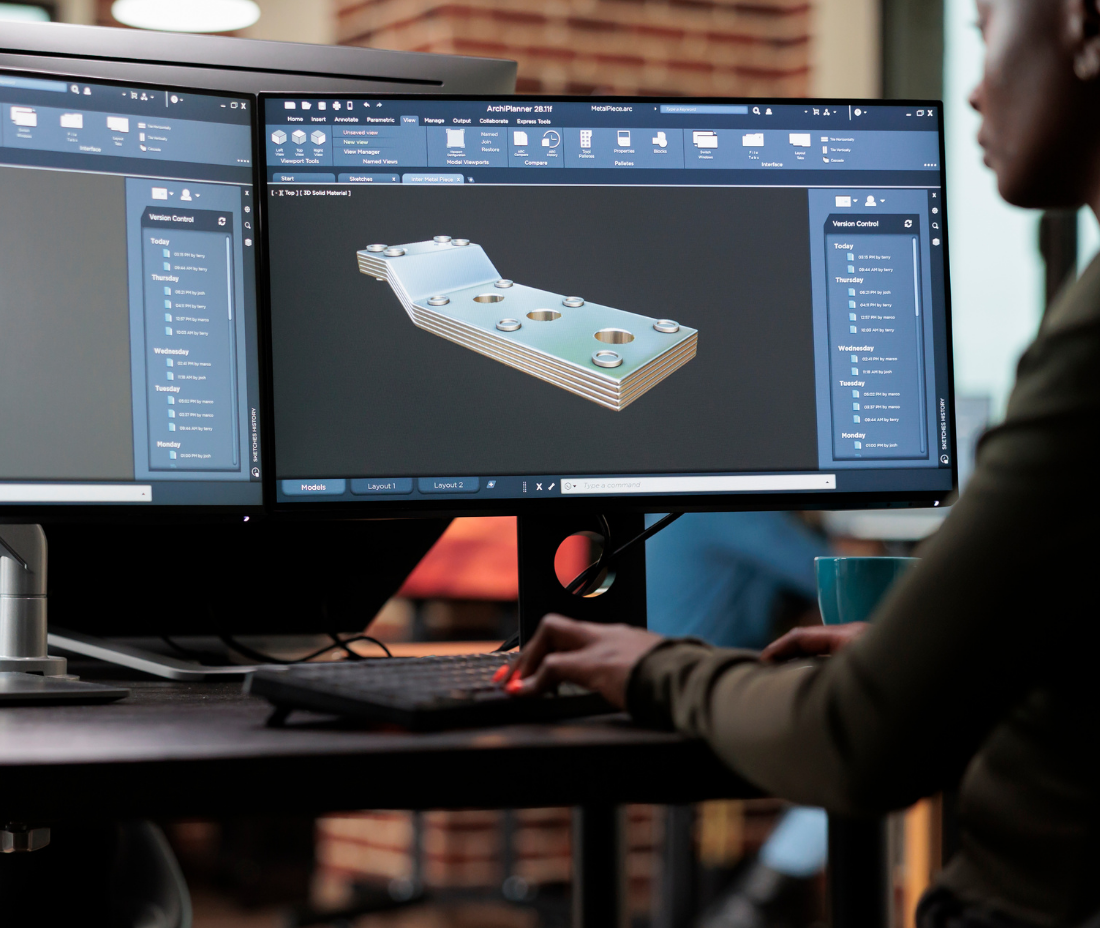
Modular or pilot tooling allows for faster turnaround and design changes without high upfront costs. It’s ideal for short runs and product iterations.
3. Build Cross-Functional Teams
Bring together engineering, design, sourcing, and logistics teams early in the process to accelerate decision-making and reduce communication gaps.
4. Use Local or Nearshore Suppliers
Nearshoring reduces lead times and increases transparency. It enables tighter collaboration and more flexibility when adapting to changes in demand.
How Atlas Sourcing Can Help
At Atlas Sourcing, we support consumer goods companies in reducing time-to-market through:
- Rapid prototyping and small series production in Europe
- Flexible tooling solutions for agile manufacturing
- Strategic nearshoring to improve responsiveness
- End-to-end supplier coordination for faster go-to-market execution
By combining sourcing expertise with flexible production capabilities, we enable companies to bring their ideas to life quickly—without compromising on quality or cost-efficiency.
Learn more: https://www.atlassourcing.de/solutions