

Introduction
In today’s competitive market, cost reduction is a necessity for manufacturers striving to remain profitable. However, cutting costs should not come at the expense of product quality. This article explores actionable strategies to achieve both objectives, emphasizing the importance of early supplier involvement and design-centric approaches.
Key Strategies for Cost Reduction
1. Early Supplier Involvement (ESI)
Engaging suppliers early in the product development process offers significant advantages:
-
Leverage Expertise: Suppliers bring invaluable knowledge about materials, manufacturing methods, and cost-efficient solutions.
-
Identify Cost Drivers: Collaboration helps pinpoint and mitigate cost-driving elements before production begins.
-
Streamline Processes: Suppliers can recommend process improvements and innovative techniques that reduce waste and enhance efficiency.
Case Example: A consumer electronics company involved its key suppliers during the prototype phase. The suppliers suggested alternative materials and optimized designs, leading to a 20% cost reduction without affecting product performance.
2. Design for Cost (DfC)
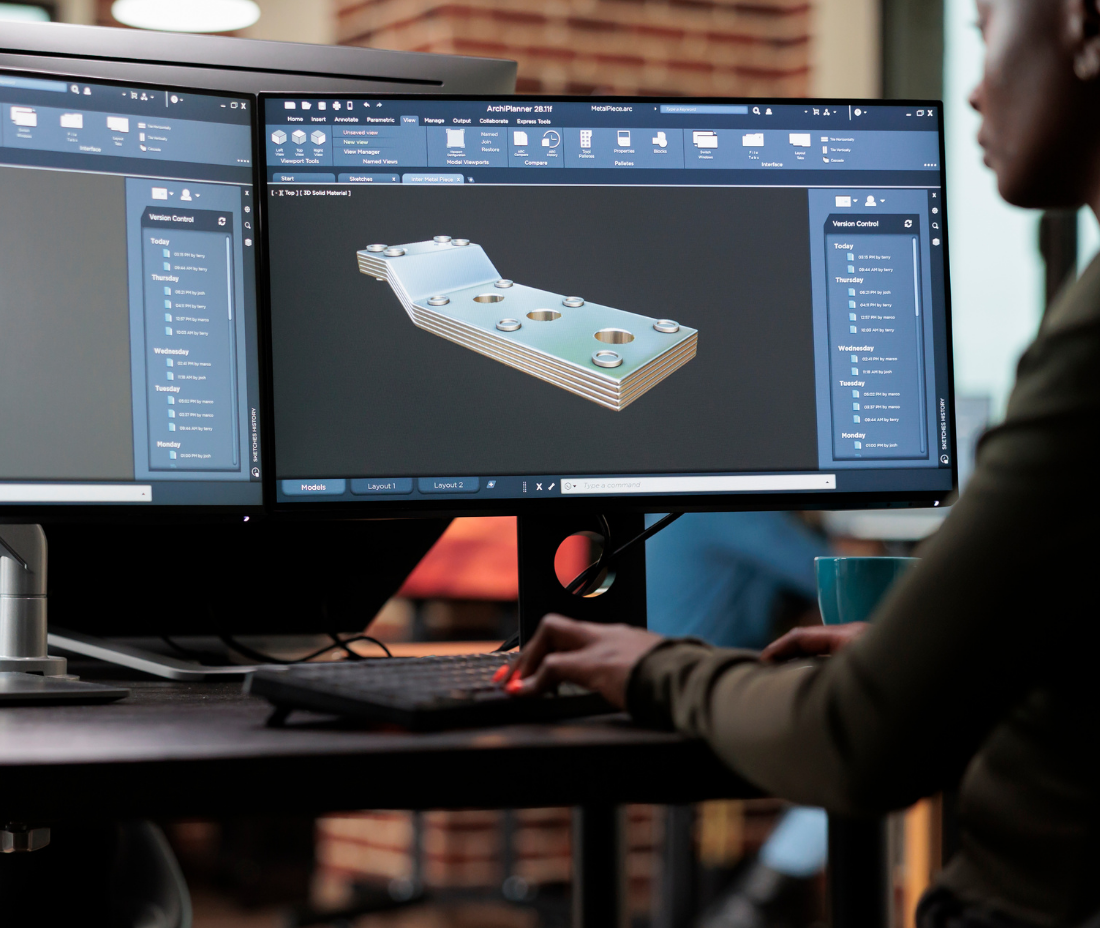
DfC emphasizes cost-efficiency from the design phase, integrating cost considerations into every decision. Key principles include:
-
Material Selection: Opt for materials that balance performance and affordability.
-
Simplify Designs: Reduce complexity to minimize manufacturing steps and associated costs.
-
Optimize Components: Standardize parts across product lines to achieve economies of scale.
By combining DfC with supplier insights through ESI, companies can address potential cost issues proactively.
3. Adopt Lean Manufacturing Principles
Lean manufacturing focuses on minimizing waste while maximizing productivity. Techniques include:
-
Just-in-Time (JIT) Production: Reduce inventory costs by producing only what is needed.
-
Value Stream Mapping: Identify and eliminate non-value-adding activities.
-
Continuous Improvement: Regularly refine processes to enhance efficiency.
4. Invest in Automation and Technology
Automation reduces labor costs and improves precision. Advanced technologies such as AI and IoT enable real-time monitoring, predictive maintenance, and data-driven decision-making, all of which contribute to cost savings.
5. Supplier Consolidation
Working with fewer, more capable suppliers can:
-
Lower procurement costs.
-
Improve supplier relationships and collaboration.
-
Enable bulk purchasing discounts.
How We Can Help
Our expertise ensures that you achieve cost reductions without compromising quality by:
-
Facilitating ESI: We connect with the trusted suppliers early in the development cycle, ensuring their insights shape cost-effective designs.
-
Implementing DfC Principles: Our team guides you through material selection, process optimization, and design simplification to achieve optimal cost-efficiency.
-
Technology Integration: We help you adopt automation tools and lean principles for sustained productivity improvements.
-
Supplier Audits and Consolidation: We identify reliable suppliers and streamline your supply chain for better efficiency and cost control.
Conclusion
Reducing production costs without compromising quality requires strategic planning and collaboration. By incorporating early supplier involvement and embracing Design for Cost methodologies, manufacturers can achieve significant savings while delivering high-quality products. With our tailored solutions and industry expertise, your business can optimize costs, enhance efficiency, and maintain a competitive edge in today’s market.