

The Future of Sourcing: Why Companies Are Moving Manufacturing Closer to Home
Introduction
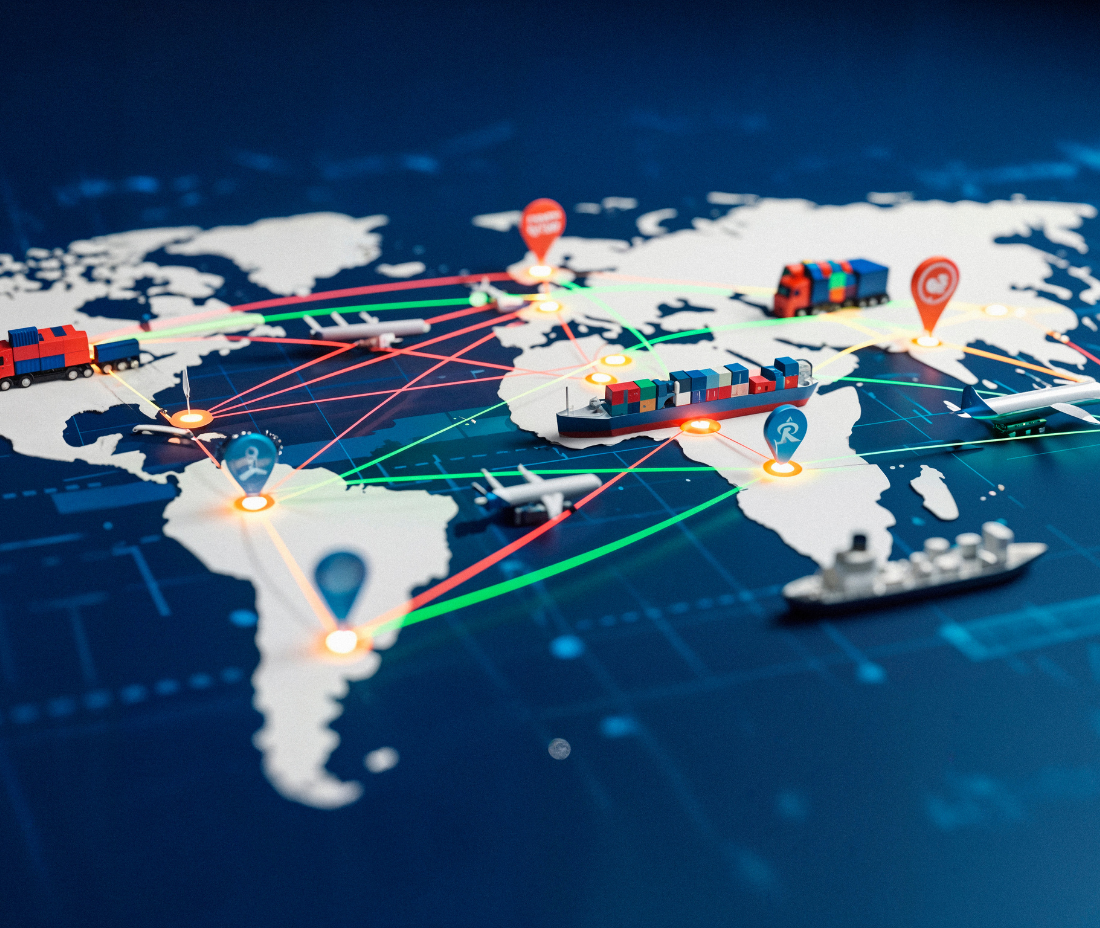
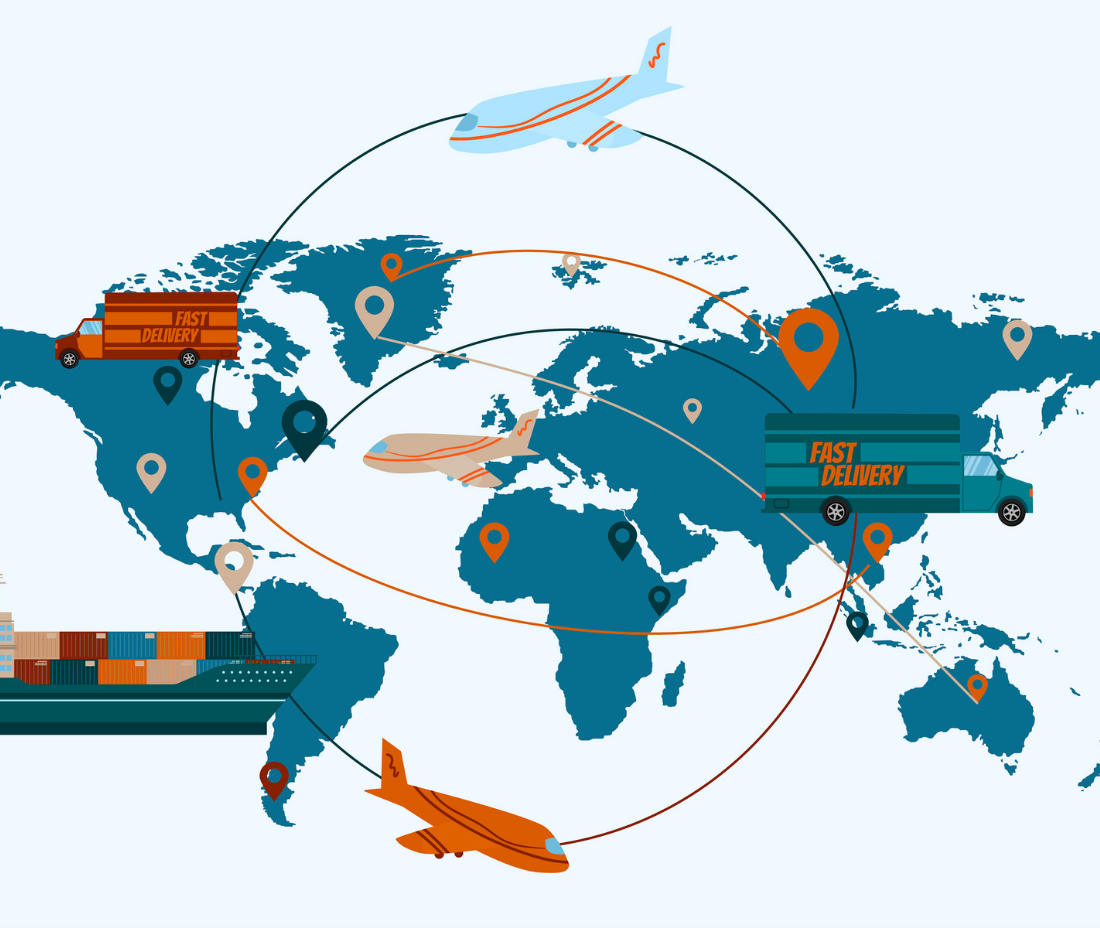
Global supply chains are evolving rapidly. Over the past few decades, offshoring to low-cost regions such as China has been the dominant strategy for many businesses. However, shifting economic conditions, supply chain disruptions, and increasing demand for sustainability are driving a major transformation—companies are moving manufacturing closer to home. This shift, known as nearshoring or reshoring, presents opportunities for greater resilience, cost control, and efficiency.
Why Companies Are Rethinking Offshore Manufacturing
1. Supply Chain Resilience
Recent global events have exposed the vulnerabilities of long-distance supply chains. Companies reliant on offshore suppliers face delays, increased costs, and unpredictable disruptions. Nearshoring helps mitigate these risks by bringing production closer to end markets, reducing lead times, and enhancing supply chain stability.
2. Rising Costs in Offshore Locations
While offshoring once provided significant cost advantages, labor wages and operational expenses in traditional low-cost regions are rising. Additionally, high shipping costs, tariffs, and compliance fees further reduce the financial benefits of offshore production. Nearshoring allows companies to optimize costs while maintaining quality and efficiency.
3. Faster Time-to-Market
Speed is critical in today’s competitive market. Long supply chains often result in extended lead times, delaying product launches and response to market demands. Nearshoring enables faster production cycles, quicker prototyping, and more agile manufacturing processes. Learn more about how we help businesses reduce lead times on our Capabilities page.
4. Sustainability and Compliance
Environmental regulations and consumer demand for eco-friendly products are pushing companies to rethink their sourcing strategies. Producing closer to home reduces carbon emissions associated with long-distance shipping and aligns with sustainability goals. Many European manufacturers operate under strict environmental regulations, ensuring compliance with evolving standards.
5. Improved Collaboration and Quality Control
Proximity fosters stronger relationships between businesses and suppliers. Nearshoring allows for easier factory visits, better communication, and increased control over production quality. This leads to fewer defects, improved product consistency, and stronger partnerships. Explore how our Supplier Network can help you find reliable and high-quality manufacturers.
How We Support Your Transition to Nearshoring
At Atlas Sourcing, we specialize in helping businesses navigate the transition to nearshoring with tailored solutions that reduce risk and optimize production. Our services include:
-
Supplier Identification: Connecting you with trusted European manufacturers that align with your production needs.
-
Supply Chain Optimization: Developing cost-effective and efficient supply chain strategies.
-
Small Series Production: Supporting your market entry with low-investment production solutions before scaling up. Learn more on our Small Series Production page.
-
End-to-End Sourcing Support: From prototyping to full-scale production, we manage every step of the process to ensure a seamless transition.
Conclusion
The future of sourcing is shifting towards resilience, efficiency, and sustainability. Nearshoring offers a strategic advantage by reducing lead times, improving quality, and enhancing supply chain flexibility. Companies that adapt to this transformation will be better positioned for long-term success in an unpredictable global market.
If you're considering nearshoring or looking for cost-effective sourcing solutions, explore our services at Atlas Sourcing and let’s build a more resilient supply chain together.