
The Shift from China to Europe: Opportunities and Challenges for Businesses
Summary
The global supply chain is undergoing a pivotal transformation as businesses move production from China to Europe. This shift is driven by the need for supply chain resilience, shorter lead times, sustainability goals, and intellectual property protection. While opportunities abound, challenges like higher costs, long product development cycles, and limited flexibility remain. This article explores the opportunities and challenges of this shift, provides real-world manufacturing examples, and discusses strategies to navigate this transition successfully.
Introduction
China has long been the epicenter of global manufacturing, known for its cost-effectiveness, vast production capacity, and robust infrastructure. However, recent years have brought unprecedented challenges: trade tensions, supply chain disruptions, environmental concerns, and increasing intellectual property (IP) risks. These factors are compelling businesses to diversify production and shift closer to their primary markets in Europe. While this move offers exciting opportunities, it also comes with notable challenges that require strategic planning and expertise to overcome.
Opportunities of Shifting Production to Europe
1. Supply Chain Resilience
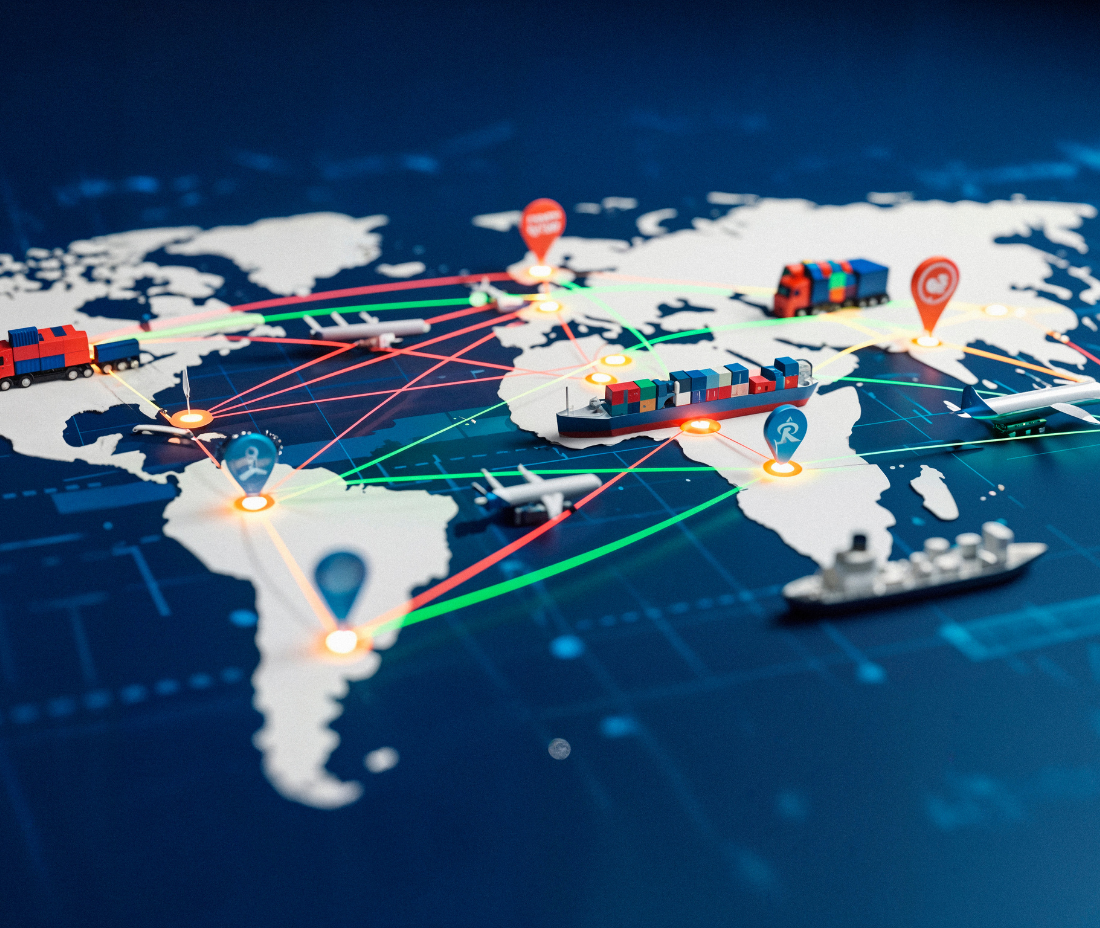
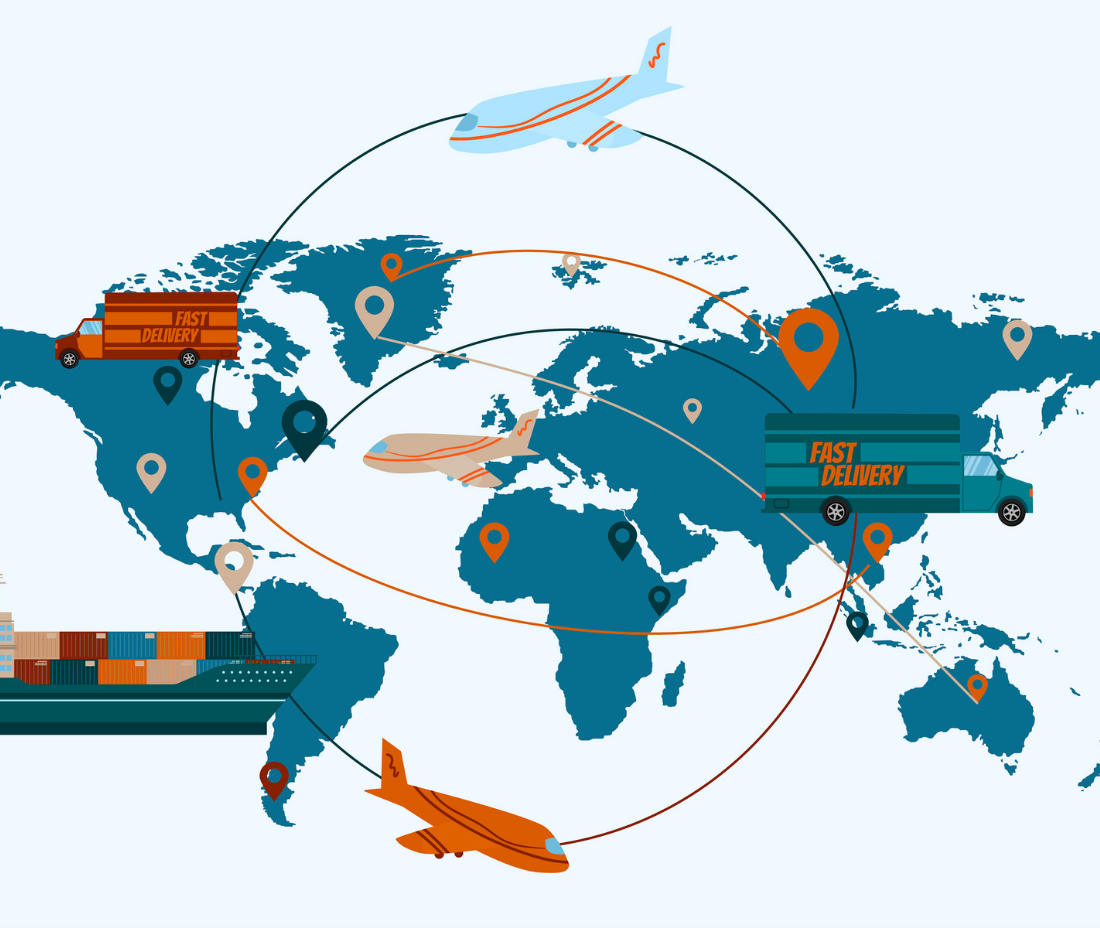
The transition to European production reduces dependency on a single region, minimizing risks from geopolitical issues, trade tariffs, and global disruptions. A diversified supply chain ensures greater stability and adaptability during crises.
Example:
During the COVID-19 pandemic, a leading automotive company moved its supply chain operations to Europe. The decision minimized delays and ensured uninterrupted delivery to its European assembly plants.
2. Shorter Lead Times and Faster Product Development
European facilities offer the advantage of proximity to major markets, resulting in shorter delivery times and more agile supply chains. Being closer to manufacturing sites allows companies to accelerate product development cycles through rapid prototyping and frequent iteration, ensuring faster time-to-market.
Example:
A medical device company that relocated its production to Germany leveraged local prototyping services to refine its products. This reduced the iteration cycle from months to weeks, enabling quicker launches of life-saving technologies.
3. Alignment with Sustainability Goals
European manufacturing adheres to stricter environmental standards, helping businesses reduce carbon footprints and meet sustainability targets. This alignment enhances brand reputation and attracts environmentally conscious consumers.
Example:
An apparel brand shifted its supply chain to Europe to utilize renewable energy sources in textile production. This move not only lowered emissions but also resonated with eco-conscious customers.
4. Intellectual Property (IP) Protection
The risk of IP theft and product counterfeiting is significantly higher in the Far East. By partnering with reliable European manufacturers, businesses can safeguard their innovations, avoid copycats, and strengthen brand integrity.
Example:
A tech startup moved its hardware production to Eastern Europe to mitigate IP risks, ensuring that proprietary designs were protected throughout the manufacturing process.
Challenges of Shifting Production to Europe
1. Higher Investment Costs
Labor, raw materials, and operational costs are generally higher in Europe than in China. These initial investments can strain budgets, especially for small to medium-sized businesses.
2. Longer Product Development Cycles
While proximity to markets and prototyping capabilities accelerate iterations, the European supplier base often has less flexibility compared to China. Longer lead times for sourcing components can slow down product development in certain industries.
3. Limited Capacity and Scalability
Some regions in Europe lack the scale and production capacity available in Chinese factories, posing challenges for businesses requiring high-volume production.
4. Cultural and Regulatory Adaptation
Europe’s diverse regulatory frameworks and cultural norms require businesses to adapt their strategies for compliance and effective collaboration.
How We Can Help
At ATLAS, we have firsthand experience in addressing these challenges and creating customized solutions for businesses shifting production to Europe. Here’s how we can assist:
-
Product Development Services:
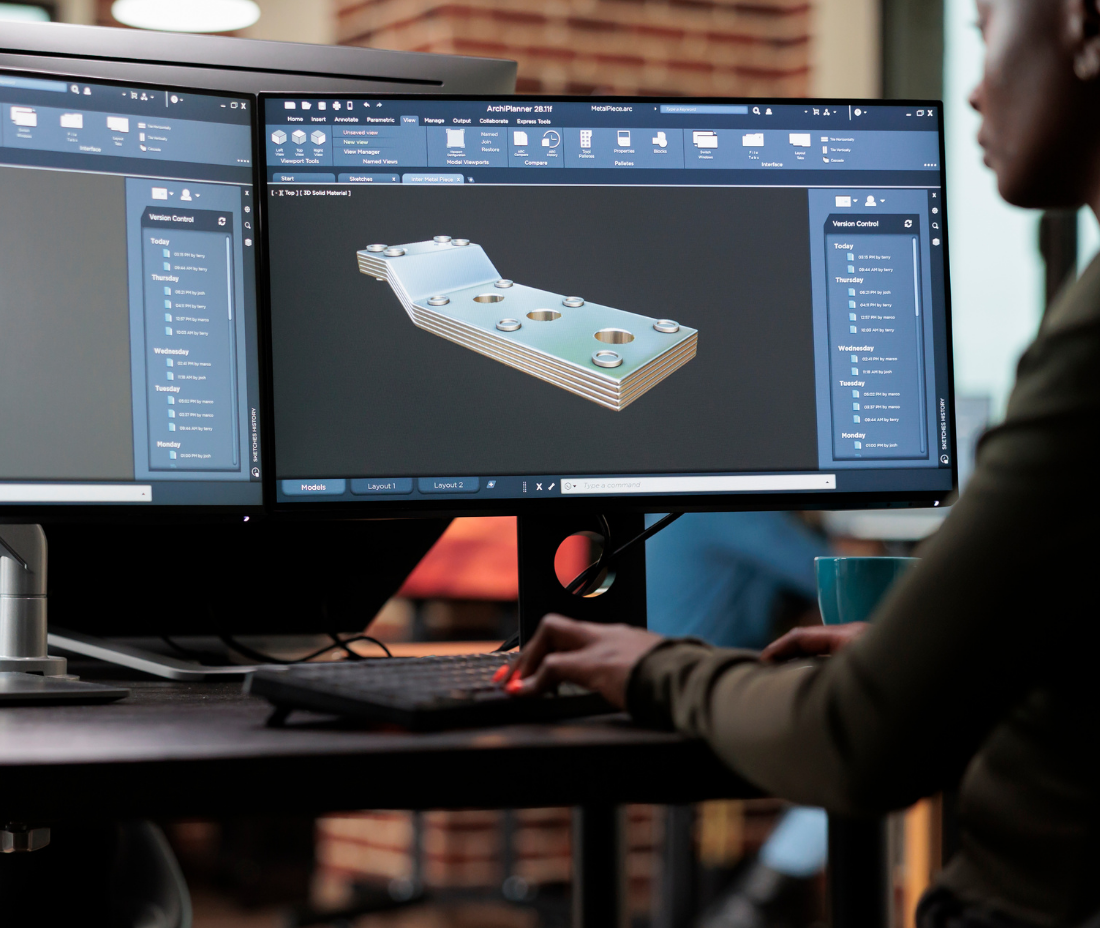
Accelerate product development cycles with our local 3D Prototyping, rapid prototyping, iterative product development and small series production, reducing time-to-market. -
Cost Optimization:
Leverage our expertise to navigate high investment costs and identify cost-saving measures in sourcing, logistics, and production. -
Supplier Partnerships:
We connect you with trusted European suppliers to ensure reliability, scalability, and adherence to ethical standards. -
Sustainable Design:
Our team specializes in lightweight product designs and sustainable manufacturing processes to align with your environmental goals.
Explore our Capabilities from Metals to Plastics and Contract Packaging when you decide to bring to production to Europe.
Conclusion
The shift from China to Europe is reshaping the global manufacturing landscape. While the opportunities—such as supply chain resilience, sustainability alignment, and IP protection—are compelling, businesses must address challenges like higher costs and longer development cycles strategically. With the right expertise and partnerships, companies can unlock the full potential of European production, achieving efficient, sustainable, and secure supply chains. By leveraging our tailored solutions, your business can successfully navigate this transition, ensuring long-term competitiveness and growth in the evolving global market.
Ready to transform your sourcing strategy? Contact Us today for expert guidance and customized solutions