

Summary
Prototyping plays a critical role in product development by enabling teams to test functionality, gather feedback, and avoid costly mistakes before mass production. This article outlines why creating prototypes early and often can be the key to a product’s market success.
Introduction
Great ideas alone don’t lead to great products. It’s the execution that counts — and prototyping is one of the most powerful tools to get it right. Whether you’re developing a consumer product, an industrial tool, or a connected device, building a prototype can save time, reduce risk, and ensure your final design truly meets user needs.
What Is a Prototype?
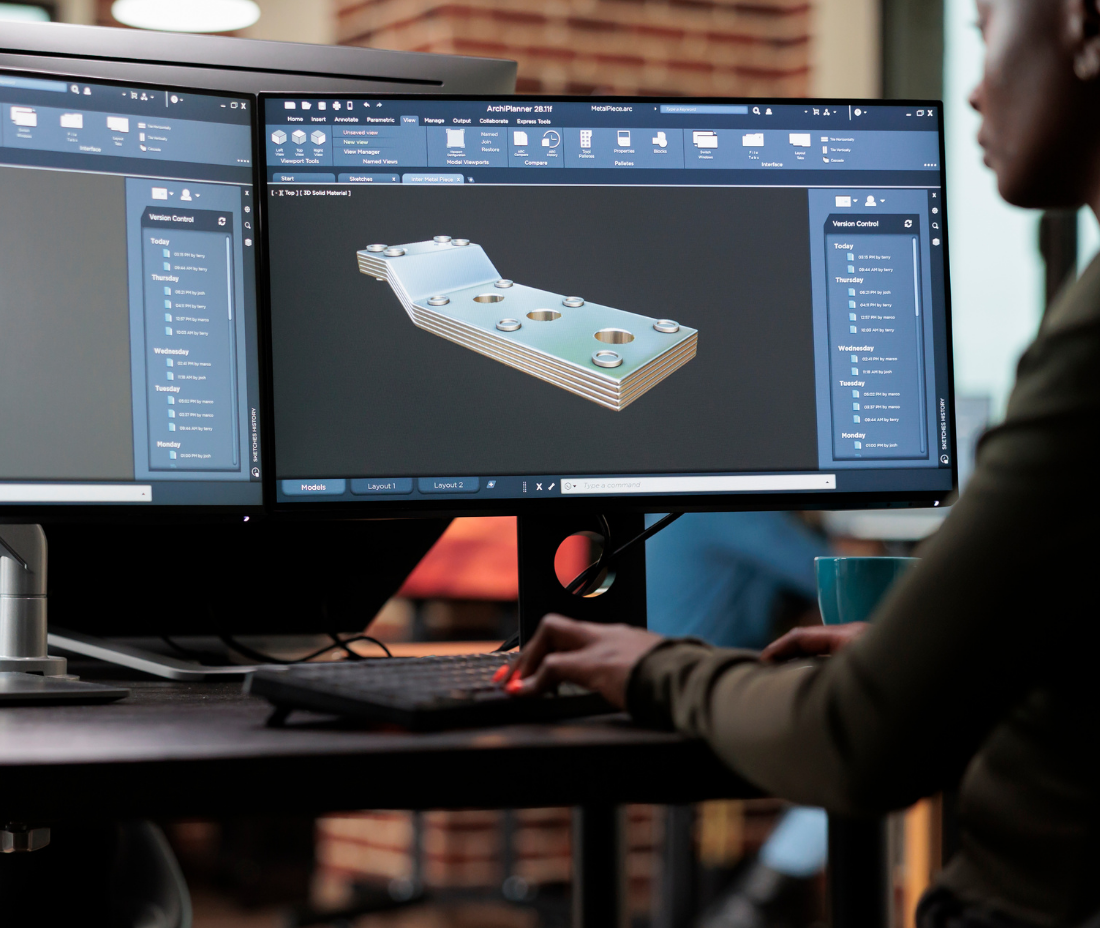
A prototype is a physical or digital model of a product used to test design concepts, functionality, and usability. Depending on the phase of development, prototypes can range from low-fidelity mockups to near-final models built using production-like materials and processes.
Why Prototyping Matters
- Validate your design: Early prototypes reveal what works and what doesn’t — helping you catch flaws before they become expensive.
- Accelerate development: Testing ideas quickly allows teams to iterate faster and make decisions based on real-world feedback.
- Align stakeholders: A tangible prototype makes it easier to communicate ideas with teams, investors, and customers.
Prototyping vs. MVP
It’s important to distinguish between a prototype and a minimum viable product (MVP). A prototype is primarily for testing and validation, while an MVP is a simplified version of the product intended for early users. Both are useful, but they serve different purposes at different stages of the journey.
Choosing the Right Prototyping Method
Your choice of prototyping approach depends on your product and goals:
- 3D printing for rapid form studies
- CNC machining for functional mechanical parts
- Silicone molding for small batch testing
- Electronics breadboarding for functional circuit testing
From Prototype to Production
A well-tested prototype provides a strong foundation for moving into pilot tooling and small series production. It reduces guesswork, ensures manufacturability, and makes scaling much smoother.
Conclusion
Prototyping is not a luxury — it’s a necessity for building successful products. It empowers teams to innovate confidently, avoid rework, and bring better products to market, faster.