
The startup reality in defense
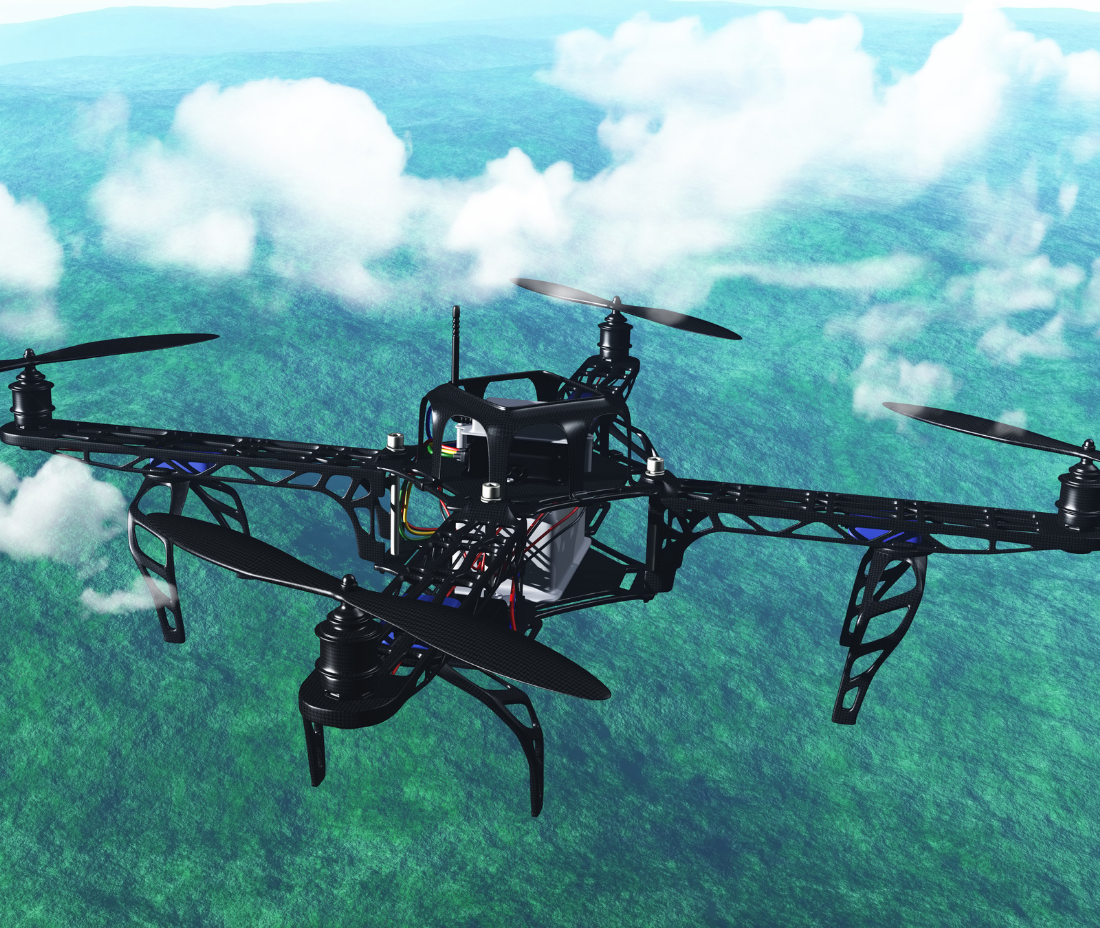
A new generation of defense companies is emerging across Europe — drone manufacturers in Munich, rocket developers in Augsburg, autonomous systems builders in the Netherlands. They move fast, raise capital quickly, and ship prototypes in months. But the moment they need to scale from prototype to production, they hit the same wall: the supply chain.
Traditional defense supply chains were designed for Tier-1 primes with multi-year programs and established supplier relationships. Startups don't have that. They need FAI-ready suppliers in weeks, not months — and they need a partner who can navigate EN-9100 compliance and ITAR implications without a 12-person procurement team.
What makes defense supply chain different for startups
Compliance burden: EN-9100, ITAR, DSP-5 and DSP-61 apply from day one — not after you've landed your first contract.
Material traceability: Every titanium billet, every aluminum alloy sheet must be traceable from mill certificate to finished part.
First Article Inspection (FAI): Before any series production begins, suppliers must produce and fully document a validated first article.
Non-Destructive Testing (NDT): Ultrasonic testing, FPI, and CMM dimensional control are standard requirements — not optional add-ons.
How the fastest-moving startups are doing it
1. They don't build supplier networks from scratch
The startups gaining ground fastest are not spending 6 months independently scouting and qualifying suppliers. They plug into an existing European supplier network — one with verified capabilities for titanium machining, complex metal forming, and precision sheet metal — then layer their specific program requirements on top.
2. They front-load FAI, not back-load it
First Article Inspection is not the final step before production. It is the qualification gate that determines whether your supplier can actually deliver. Smart startups treat FAI as a design milestone — involving manufacturing partners during NPI (New Product Introduction), running should-cost analyses early, and planning Production Readiness Reviews before committing to volumes.
3. They use pilot tooling to derisk ramp-up
For complex metal-formed parts — forged housings, structural brackets, titanium fittings — full production tooling is expensive and hard to change. Leading startups invest in pilot tooling first: lower-cost tools that validate geometry, material behavior, and process capability before committing to series tooling investment.
4. They keep compliance inside the sourcing process
ITAR, EN-9100, and export license requirements are not legal afterthoughts. The startups that scale without supply chain disruption embed compliance into supplier qualification from day one — verifying certifications, secure data handling, and traceability systems before any production begins.
The European supplier landscape
Germany, Czech Republic, Poland, Austria, and Turkey offer deep manufacturing capability across CNC machining, metal forming, forging, and casting — with a growing number of EN-9100 certified suppliers willing to work with early-stage programs. The key is knowing which suppliers have the technical depth for defense-grade tolerances and the organizational flexibility to onboard a startup customer.
What a good sourcing partner looks like
- Has managed 100+ FAI cycles across CNC machined and metal-formed parts in titanium, stainless steel, and aluminum alloy families
- Can conduct on-site Production Readiness Reviews before series production begins
- Understands should-costing and can technically challenge supplier quotations
- Has navigated ITAR, DSP-5, and DSP-61 compliance in active programs
- Supports the full NPI arc — from prototyping through pilot production to ramp-up
Conclusion
Defense supply chains don't have to take years to build. With the right sourcing partner and the right structure from day one, European defense startups can move from first prototype to qualified series production faster than the traditional model allows.
Atlas Sourcing & Engineering has supported aerospace and defense programs covering FAI, NDT, EN-9100, and ITAR-aligned supply chains across Europe. Get in touch to discuss your sourcing requirements: https://atlassourcing.de/contact