

The rejection nobody talks about
You've built a working prototype. You have funding. You know what you need to manufacture. So you reach out to a shortlist of suppliers — established factories with the right equipment, good references, and a professional website. And then: silence. Or a polite no.
This happens to hardware startups constantly, and almost nobody explains why. Understanding the reasons — and knowing what to do about it — is one of the most practical things a founding team can learn.
Why large suppliers say no to startups
1. Your volumes don't justify their setup costs
Large manufacturers run on efficiency. Their pricing is optimized for series volumes — thousands or tens of thousands of units per run. When a startup approaches with a request for 50 or 200 units, the supplier faces a real problem: the setup cost (tooling amortization, line changeover, quality documentation) is the same regardless of quantity, but spread over a tiny volume, it's economically unviable for them.
This isn't a negotiation problem. It's a structural mismatch.
2. Your drawings aren't production-ready
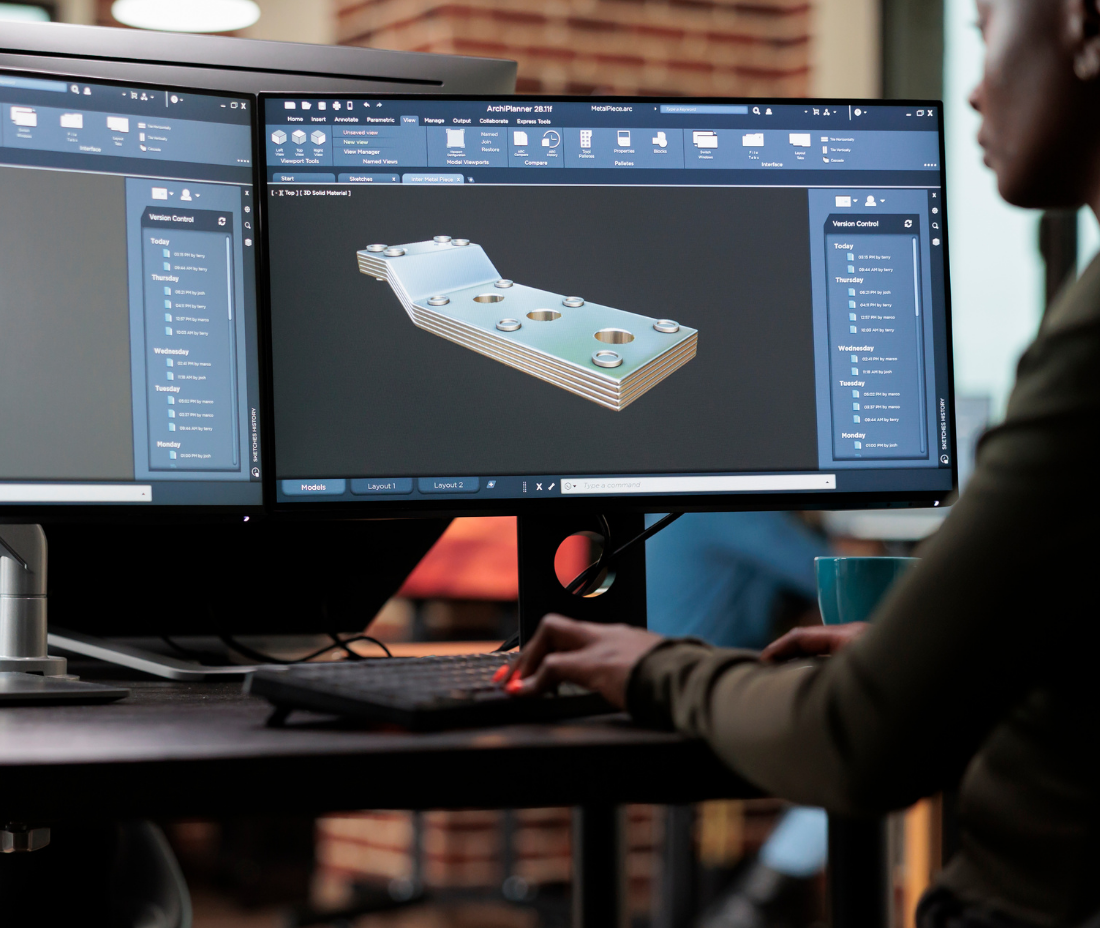
Startups often arrive with CAD files that are excellent for prototyping but not ready for manufacturing. Missing tolerances, undefined surface finishes, no DfM (Design for Manufacturing) analysis, material specifications that are ambiguous or impractical at scale — these are red flags for any serious manufacturer. A factory quoting a project with incomplete drawings carries risk. Most will simply pass.
3. You're asking for too much too early
A common startup mistake is treating the first supplier conversation as a long-term partnership pitch before establishing any track record. Large manufacturers want to see that you understand the process, have a realistic ramp plan, and aren't going to change the design six times after tooling is cut. Startups that approach without this credibility rarely make it past the first conversation.
4. They don't have a process for onboarding early-stage customers
This is the reason nobody mentions: large manufacturers simply don't have an organizational structure for startup customers. Their account management, quality systems, and project workflows are designed for OEMs with stable programs. A startup with a novel product, evolving specs, and no procurement team is genuinely difficult to serve — and most large factories have learned this the hard way.
What actually works
Start with pilot tooling, not production tooling
Before committing to a full production tool — which can cost tens of thousands of euros and takes months to modify — use pilot tooling. Pilot tools are lower-cost, faster to produce, and designed for validation, not volume. They let you confirm geometry, material behavior, and process capability before you're locked in. This is standard practice at companies like air up and BSH; it's how they de-risk NPI (New Product Introduction) before scaling.
Work with suppliers who are structured for NPD
Not all suppliers are the same. There is a subset of European manufacturers — particularly in Germany, Czech Republic, Poland, Austria, and Turkey — who have built their operations around New Product Development: small-series capability, flexible quality systems, and project-based workflows. These are not the largest factories, but they are the most valuable partners for a startup in scale-up mode.
Get your drawings production-ready before you approach anyone
A DfM (Design for Manufacturing) review before you go to market will save months. It identifies features that are expensive or impossible to produce at scale, flags material choices that create supply risk, and gives the supplier confidence that you know what you're doing. A supplier who receives a well-specified, DfM-reviewed drawing package responds very differently than one who receives a prototype CAD file.
Use a sourcing partner who already has the relationships
The fastest path from prototype to qualified series production is not building supplier relationships from scratch — it's working with a partner who already has a verified network of NPD-capable suppliers across Europe. A sourcing partner with this network can match your project to the right supplier in days, not months, and manage the qualification process on your behalf.
What changes when you get it right
Startups that structure their sourcing properly — pilot tooling first, production-ready drawings, suppliers matched to their stage — can move from first prototype to small-series production in under six months. That's the benchmark Atlas Sourcing has achieved with hardware startups across consumer goods, medical devices, and industrial applications: prototyping in under 3 months, small batch production in under 6 months, mass production in under 12 months, all within Europe.
The suppliers aren't the problem. The approach is.
Conclusion
Getting rejected by large suppliers is not a sign that your product isn't ready for manufacturing. It's usually a sign that the approach needs to change — smaller, more flexible partners, better-prepared documentation, and a realistic ramp plan. For hardware startups building physical products in Europe, the right sourcing infrastructure is as important as the product itself.
Atlas Sourcing & Engineering works with hardware startups from prototyping through to series production — matching projects to the right European suppliers at every stage. Get in touch to discuss your project: https://atlassourcing.de/contact